
Understanding PanchaKarma
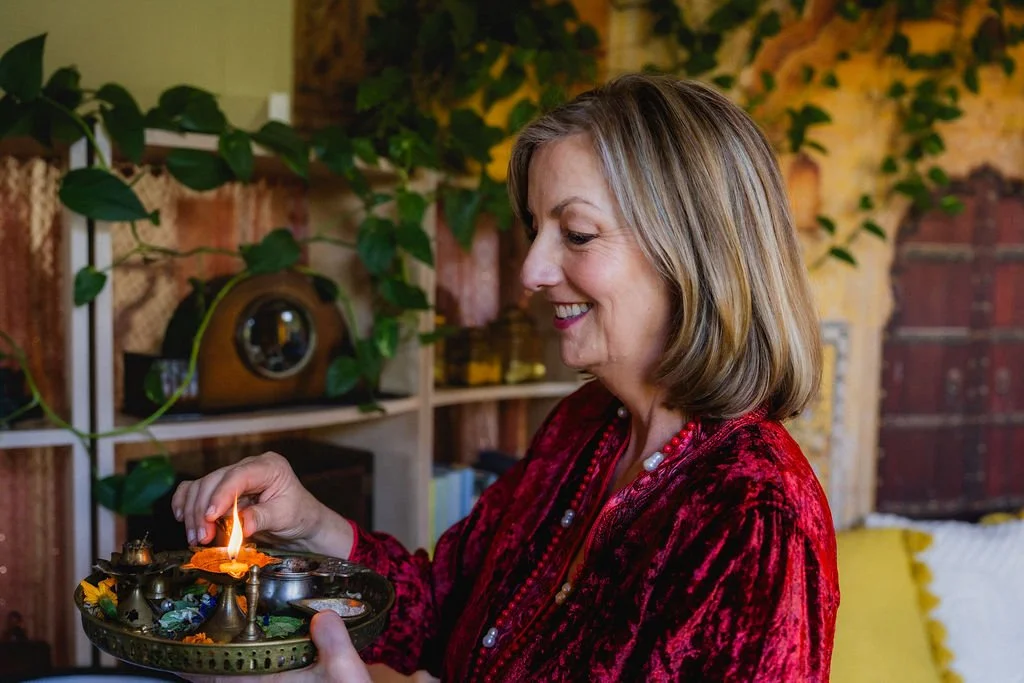
Panchakarma is a time-honored Ayurvedic process of detoxification and rejuvenation, designed to gently clear accumulated imbalance and restore the body to its natural state of harmony. Rooted in thousands of years of tradition, it is both a physical and deeply restorative experience.
Frequently Asked Questions
-
Panchakarma offers something deeper than a typical cleanse. It is a process of returning—of gently clearing what has accumulated over time so the body can remember its natural state of balance.
Many people are drawn to Panchakarma during times of transition, fatigue, or when something feels out of alignment. It creates space not only for physical detoxification, but for mental clarity, emotional release, and a renewed sense of connection to oneself.
Rather than forcing change, Panchakarma works in harmony with the body’s innate intelligence—supporting a profound reset that can be felt long after the process is complete.
-
Panchakarma is a powerful and deeply transformative process, and it is not appropriate for everyone at all times. Your constitution, current state of health, and level of readiness are all carefully considered before beginning.
In some cases, preparatory care may be recommended to ensure the body is supported and ready for a cleanse.
The best way to determine if Panchakarma is right for you is through a consultation, where we can assess your needs and guide you toward the most appropriate path.
-
Panchakarma is not recommended during certain times when the body needs rest, nourishment, or stabilization rather than detoxification. This may include pregnancy, acute illness, active infection, extreme depletion, or immediately following major physical or emotional stress.
Certain medical conditions or medications may also require modification or postponement of a cleanse.
Because Panchakarma is a highly individualized process, all contraindications are carefully considered on a case-by-case basis. When appropriate, preparatory or alternative therapies may be recommended to gently support the body before moving into a full cleanse.
-
Each day begins with a warm foot bath, tea, and a gentle check-in with Corinna, including an Ayurvedic pulse reading to guide your treatment for the day.
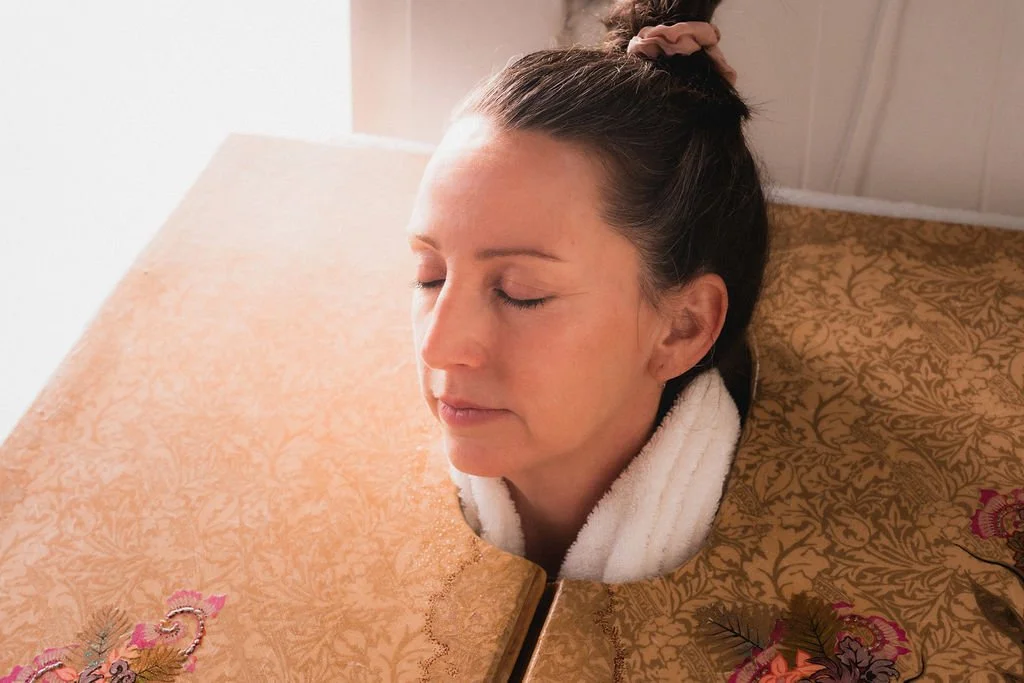
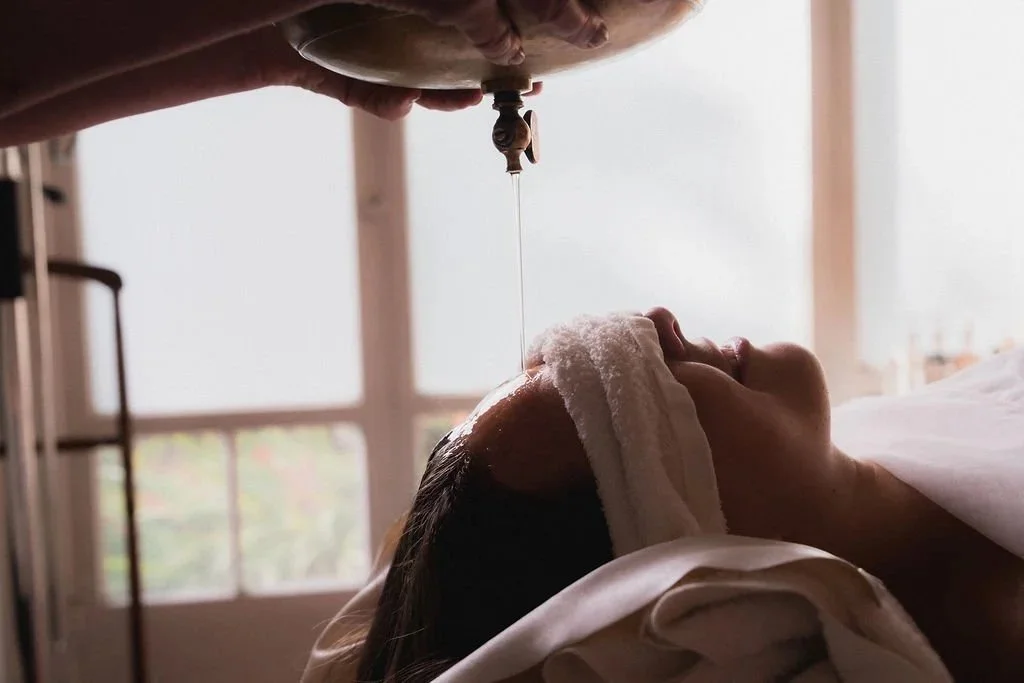
You are then welcomed into your private treatment space, where fresh flowers, warm herbal oils, and subtle aromas begin to set the tone. The experience often opens with Abhyanga, a deeply nourishing warm oil therapy, followed by therapies such as herbal steam to soften and release deeper layers of tension.
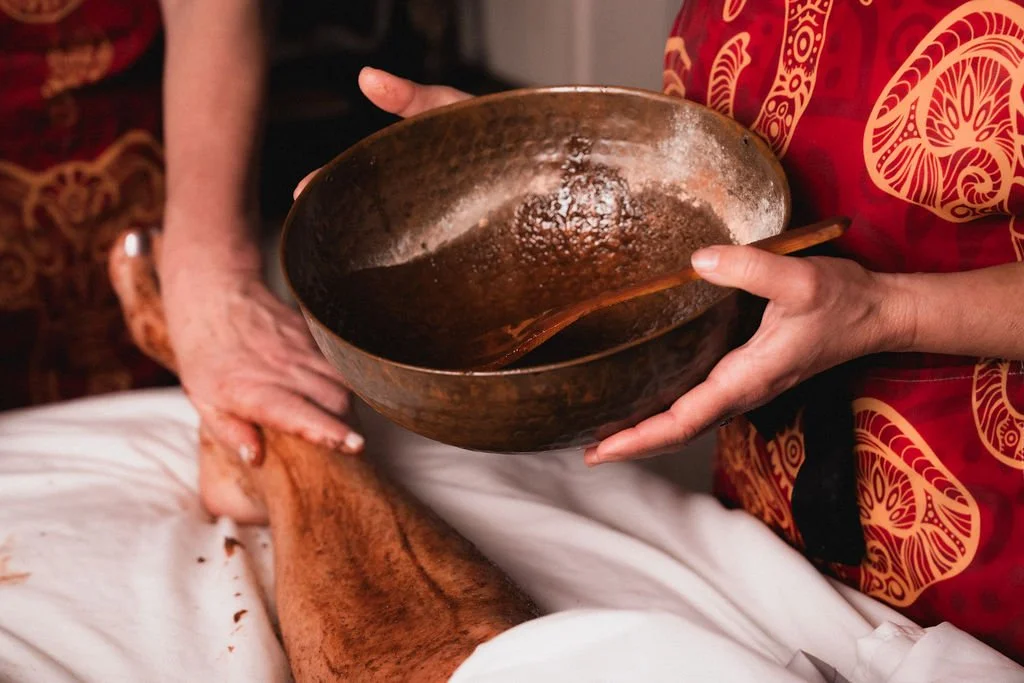
From there, your session unfolds through a curated sequence of treatments—such as Shirodhara, marma therapy, sensory organ rejuvenation, herbal scrubs, and localized applications—each one designed to support cleansing, restoration, and deep integration.
Every day is unique, evolving with your body and guided with care.
-
Preparation is an essential part of the Panchakarma process. Prior to beginning, you may be guided through simple dietary and lifestyle adjustments to help the body gently transition into the cleanse. This often includes simplifying meals, reducing stimulation, and beginning to slow the pace of daily life.
Your preparation will be personalized based on your constitution and current state, ensuring the body is supported and ready to receive the deeper work.
-
Panchakarma works at the root level, so results are often both physical and subtle. Many people experience improved digestion, deeper sleep, increased energy, and a greater sense of mental clarity and emotional balance.
At the same time, the process can create space for deeper awareness—supporting a more connected and harmonious relationship with your body and overall wellbeing.
-
Panchakarma is designed to be a time of inward focus and restoration. While some daily responsibilities may be maintained, it is best approached with a slower pace and a willingness to create space for rest.
Reducing work, social commitments, and external stimulation allows the body and nervous system to fully engage in the healing process and receive the greatest benefit.
-
The period following Panchakarma is just as important as the cleanse itself. You will be guided through a gradual reintroduction of foods and routines to support integration and maintain the benefits of the process.
This phase helps stabilize the system, deepen the results, and carry the effects of the cleanse into your daily life.
-
Yes—Panchakarma is always individualized. Each program is tailored to your constitution, current imbalances, and level of readiness.
Your treatments, diet, herbs, and daily structure are all thoughtfully designed to meet you where you are, ensuring the process is both safe and deeply supportive.
The time-tested benefits of PanchaKarma
In Ayurveda we believe that gentleness is the key to detoxification. The body does not like being off balance for too much or for too long. Our bodies try to maintain homeostasis, a balanced state in which everything functions properly. Typical fasts and detox regiments can be harmful and can alter this homeostasis. PanchaKarma has been practiced for thousands of years, and is the safe and time-tested method of cleansing. PanchaKarma uses specific steps that take care to properly and completely remove the toxicants from the body (and mind), without harming anything in the process.
PanchaKarma and Modern Research
Using high-tech laboratory techniques, Robert Herron, Ph.D., and John Fagan, Ph.D., conducted a two-month longitudinal study on subjects receiving five days of Pancha Karma. There were significant positive results. Compared to tests taken prior to treatment, blood levels of the highly toxic PCBs and Beta-HCH were reduced by 46 and 48 percent respectively. Without this detoxification program, the natural expected drop in PCB and Beta-HCH over a two-month period is only a fraction of one percent. No other method has been scientifically verified to reduce fat-soluble toxins in the human body without causing negative side effects. Normally these fat-soluble substances remain in the body for many years, but PanchaKarma provides us with a healthy alternative for coping with a toxic world.
Another study researched the effects of a three-to-five-day PanchaKarma cleanse. After three months, the total cholesterol numbers of the individuals had dropped acutely, while HDL (the good cholesterol) rose 7.5 %; free radical damage fell significantly, blood pressure dropped, and problems with anxiety improved. Vasoactive intestinal peptide, a coronary vasodilator, increased substantially. These findings confirm the efficacy of PanchaKarma for cardiovascular health. According to the studies of the National Institute of Health in 2002, the benefits of PanchaKarma include:
Decreased cholesterol, by lowering toxic lipid peroxide levels
Decreased rate of platelet clumping and thus lymphatic congestion
Decreased levels of 14 major toxic and cancer-causing chemicals from body tissues
Significantly raised good HDL cholesterol levels
Reduced free radicals, the leading cause of all disease
Significant reduction in physical complaints, irritability, strain, psychological inhibition and emotional instability
Decreased anxiety, aging and reduced doctor visits
The Concept of Ama and the Benefits of PanchaKarma
In Ayurveda, toxins that accumulate in the body are called ama. Symptoms of ama accumulation are lethargy, low energy, generalized aches and pains, lack of mental clarity, heaviness in the body, digestive problems (such as constipation, gas, bloating, or heartburn), weakened immune system, frequent colds and sinus infections, coated tongue, body odor and more. With the tremendous industrial growth of the past century, thousands of toxic chemicals have been introduced into our food, air, drinking water, and almost every manufactured product. As a result, we are exposed to a potentially huge toxic overload during our lifetime. Regular PanchaKarma Cleanses (one to three times a year) help the body eliminate ama or toxins, for rejuvenation, strength and balance.
According to Ayurveda, PanchaKarma is beneficial for individuals who want to stay healthy or suffer from any of the following conditions:
Low energy, weight gain, arthritis, generalized body pain, fibromyalgia, sciatica, menstrual disorders and menopausal symptoms, aging, emotional and psychological disorders (such as depression and anxiety), chronic fatigue, hypertension, dizziness, migraines and headaches, allergies, frequent colds, flu, sinus problems, asthma, gastrointestinal conditions, endocrine disorders, autoimmune disorders, insomnia, and stress.
Pancha Karma can be performed as a post-treatment for cancer to help remove toxic residues of malignancies and also to detoxify from all the chemicals we ingest.
Please note: We do not claim to diagnose or treat disease, as that is always reserved to a medically professional.
Panchakarma Therapies
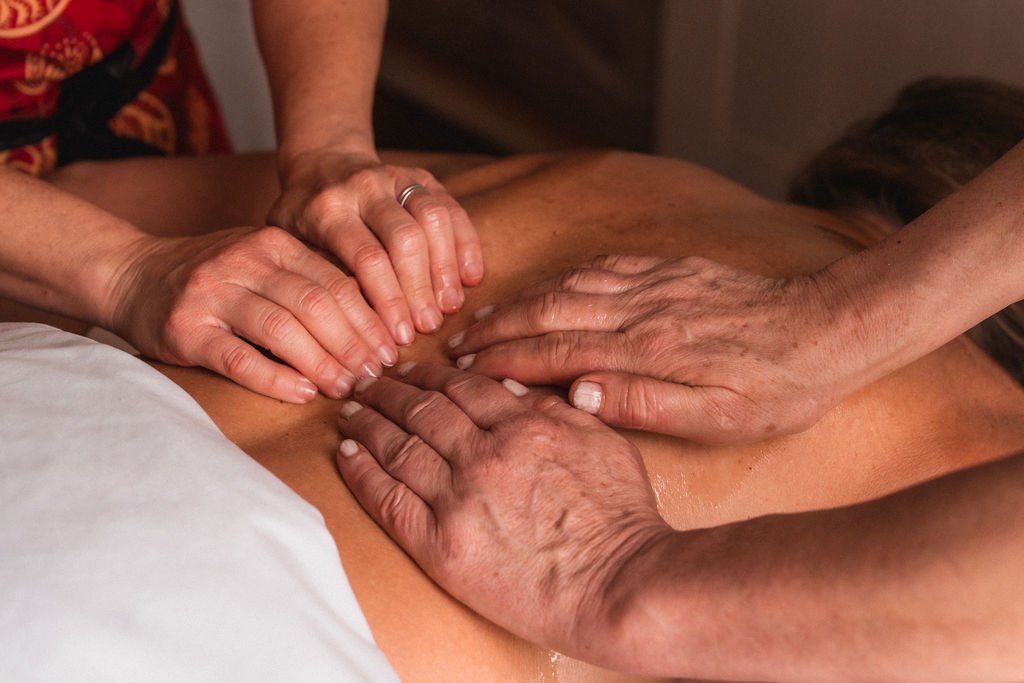
is the classic Ayurvedic oil massage that uses the skillful application of medicinal oils with specific nurturing strokes. It activates the energetic centers (Marma points), breaks up impurities, and stimulates arterial and lymphatic circulation. It can be performed by one or two synchronized practitioners working in tandem.
Abhyanga
is an herbal medicinal steam therapy that can be administered locally to specific body parts or for the entire physiology. (Except for the head, which is always kept cool). It allows oils to penetrate deeply into the tissues and also removes toxins.
Swedhana
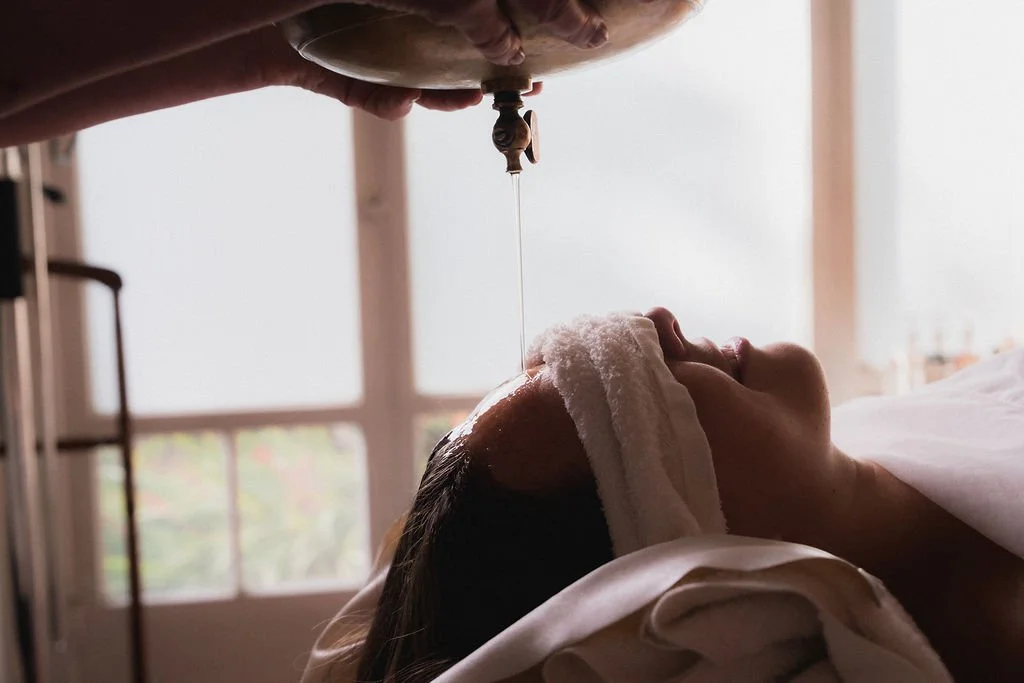
is the pouring of medicinal liquids (oil, buttermilk, ghee) across the forehead. It specifically nurtures the pituitary gland and therefor relaxes the entire nervous system by brining the whole being, body-mind-spirit, to feeling a profound sense of peace and calm.
Shirodhara
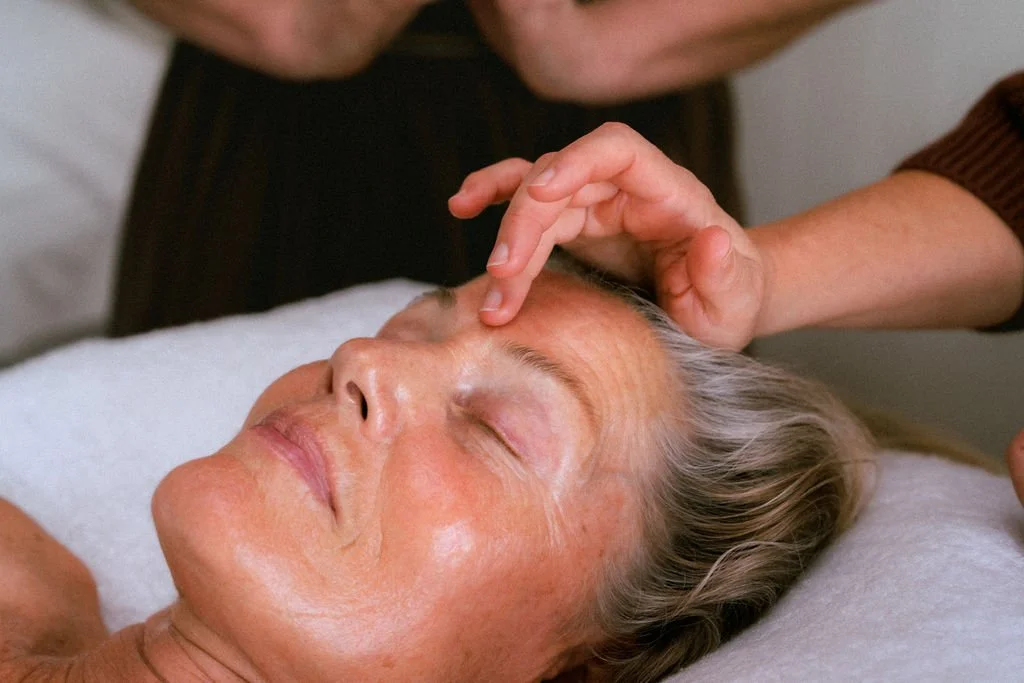
Marma Therapy uses sound, touch, aromas, medicinal oils and intention to help direct the flow of Prana (Life-force) for profound healing. We apply Marma therapy during PanchaKarma as an extra relaxing technique and to restore the energetic balance. Learn more about Marma here.
Marma Therapy
is a brisk massage that uses herbal powders and pastes to stimulate the release of toxins and supports the removal of excess fatty tissue. Udvartana can be used dry or when mixed with oils. It stimulates the lymphatic fluids to cleanse while the herbs absorb deeply into the skin, further detoxing the body.
Udvartana
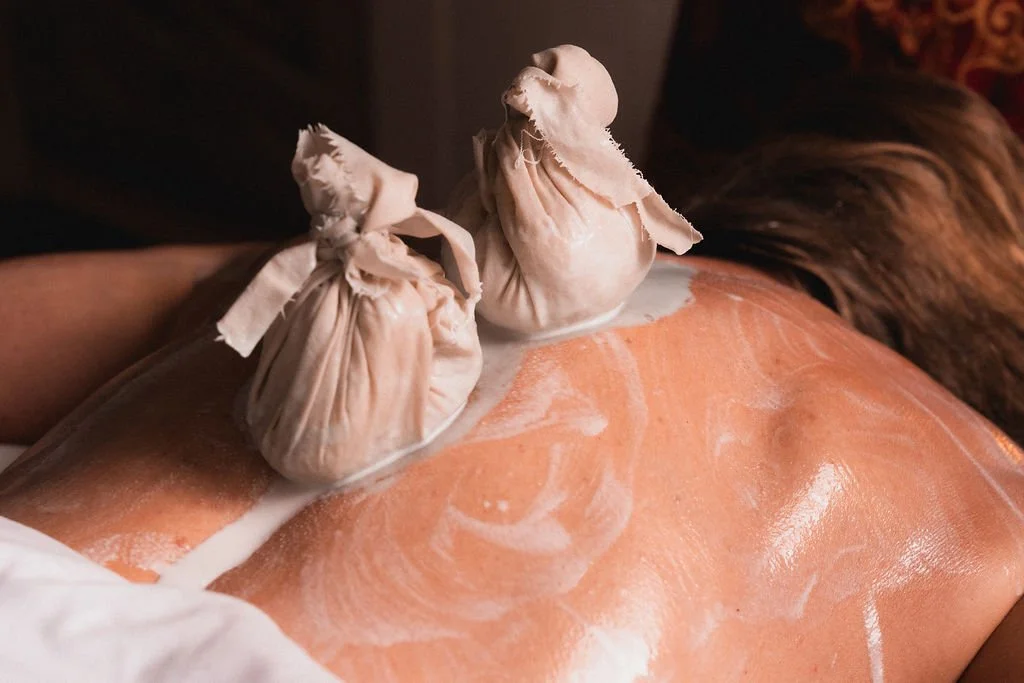
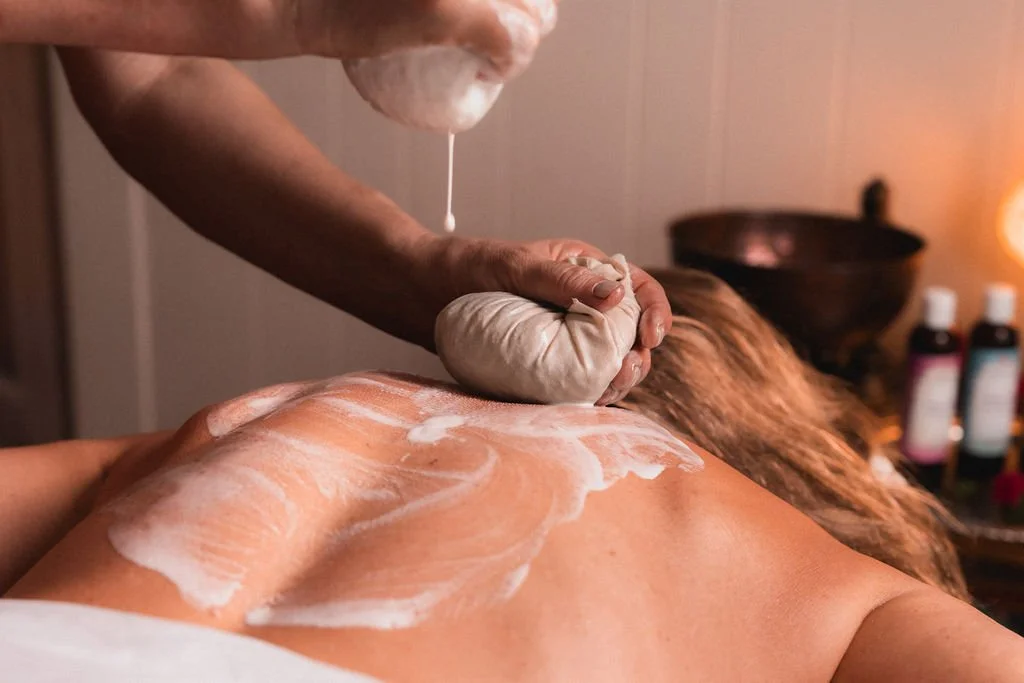
is a cooling therapy using herbal rice bolus bags warmed in a specialized milk decoction and vigorously massaged into the skin to reduce inflammation and rejuvenate the body.
Pinda Swedhna
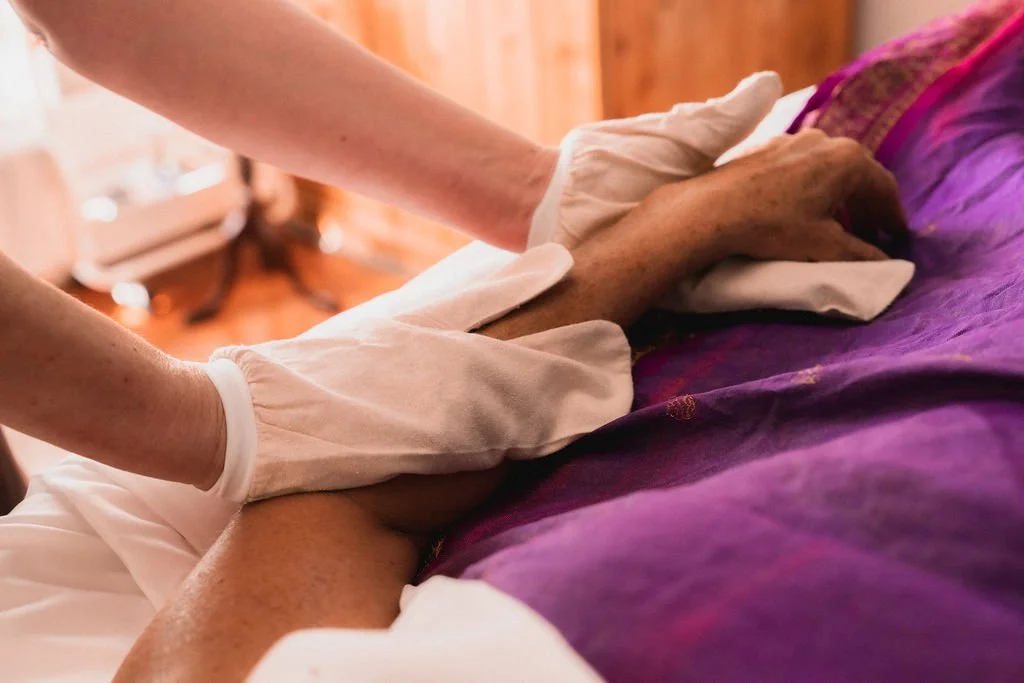
Ayurvedic massage with raw silk gloves, polishing the skin and enhancing circulation while moving and cleansing the lymph fluid.
Garshana
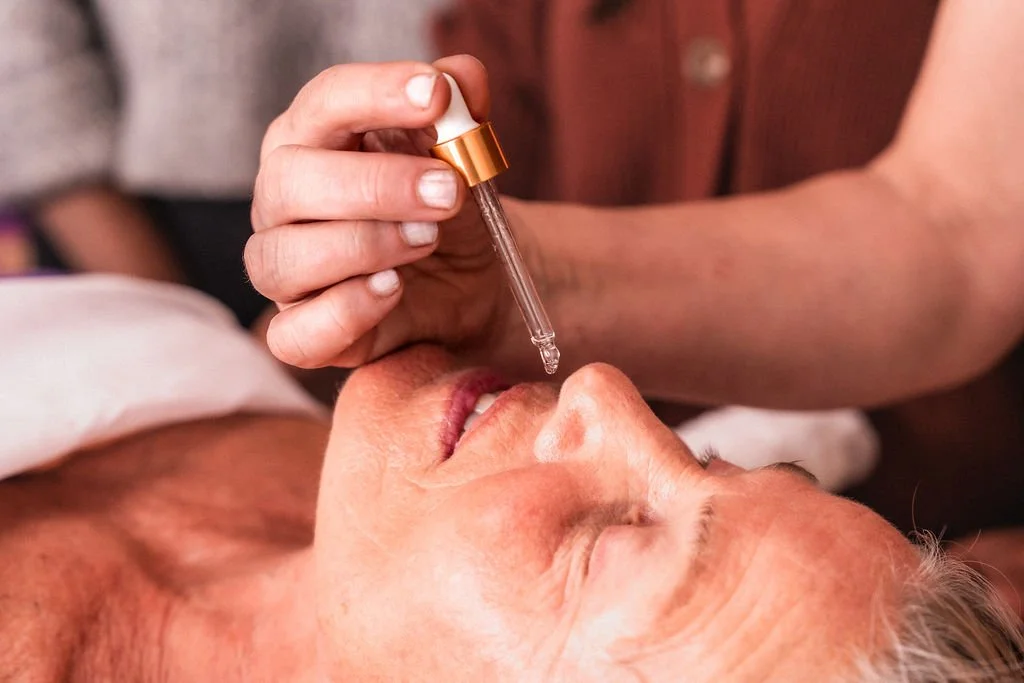
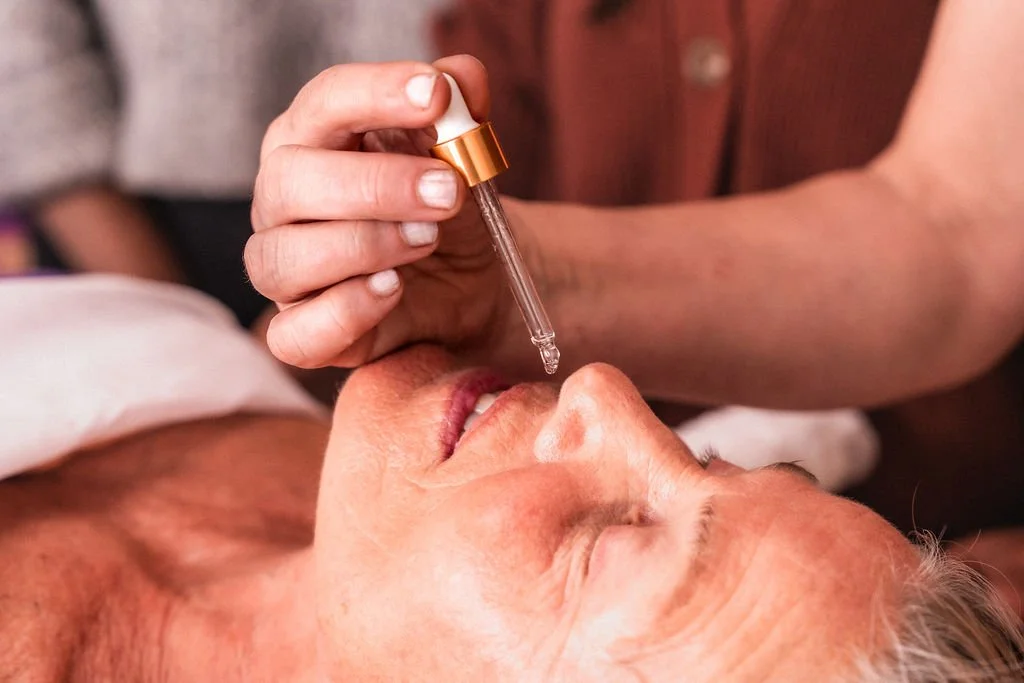
is the classic sinus and nasal treatment designed to open up the channels of the upper body to allow more Pranic energy to enter. It includes an enlivening Indian head massage, localized steam, and the use of an assortment of nasal concoctions.
Nasya
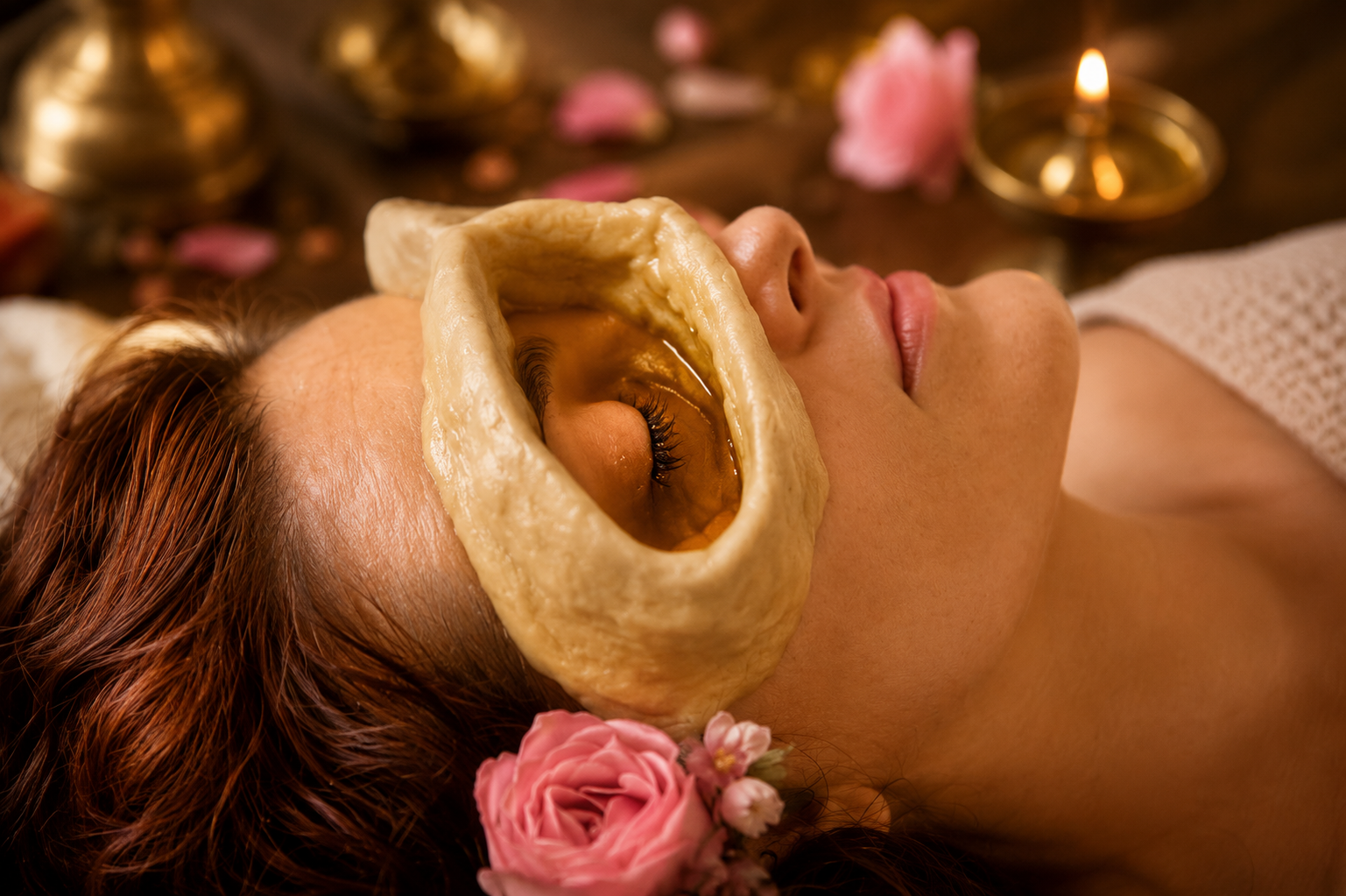
involves the use of a variety of methods and techniques such as the bathing of the eyes in ghee, eye drops, and purification through herbal smoke to alleviate eye conditions.
Netra Tarpana

uses a specific ear massage and the application of herbal decoctions to relieve earaches and other ear related problems.